
As I said, many idicators. But you are on record as calling Q1 the Golden Era.
Pollingis showing Americans are feeling very bullish right now on the economy.
Hope you enjoy your large tax return and lower withholdings in your current pay checks.
As I said, many idicators. But you are on record as calling Q1 the Golden Era.

That polling was done a long time ago.Pollingis showing Americans are feeling very bullish right now on the economy.
Hope you enjoy your large tax return and lower withholdings in your current pay checks.
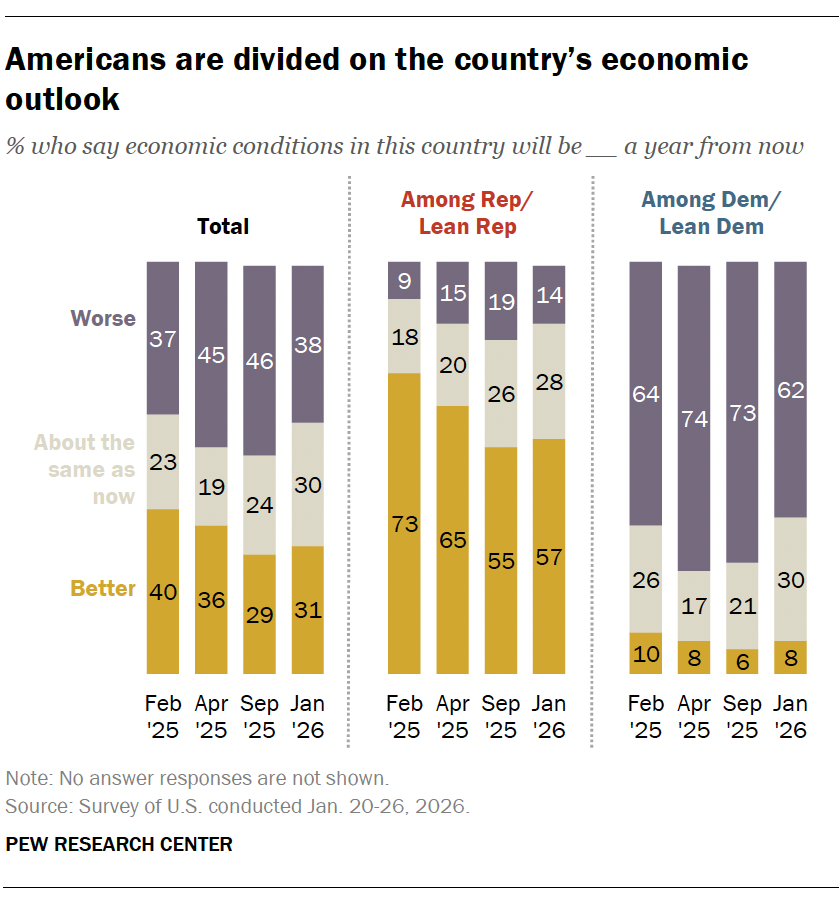
Iran was bombed a few days ago, all these changes to important markets happened basically overnight, polls released yesterday were likely sampled in February at the earliestPolling released yesterday buddy

Game of Thrones, Harry Potter, LOTRI know not many here are probably as in tune with the entertainment industry market, but this is fucking terrible
I don't understand how Paramount's board OK'd the purchase sidling them with hundreds of billions of debt to acquire a company that has a ton of IP, but not thath much. I'ts not Disney or Nintendo. It's Looney Tunes and DC and that's about it.

THey don't own LotR IP. They own the films. The IP is still owned by Tolkien estate which is why Amazon got Rings of Power.Game of Thrones, Harry Potter, LOTR
Never said they owned the IPs, but they do own the current rights to make shows etc on them.THey don't own LotR IP. They own the films. The IP is still owned by Tolkien estate which is why Amazon got Rings of Power.
Game of Thrones isn't a massive IP, maybe it gets there. But no one is buying GoT toys and playing GoT Video Games.
WB only has film, game, tv, and merch rights for Harry Potter, not charaacter rights. But JK Controls books and characters.
Remaking LotR is going to be cancer, there's no way any sane person could OK it when the OT is 25.Never said they owned the IPs, but they do own the current rights to make shows etc on them.
The Harry Potter series is already being remade.
GoT franchise already found a hit with Knight.
LOTR is getting remade again.
So there is some value to exploit but maybe not 100 billion.
Remaking LotR is going to be cancer, there's no way any sane person could OK it when the OT is 25.
That's one thing I guess. I mean I suspect the Harry Potter thing doesn't make as much money as they think because I think a lot of people either don't care anymroe and those who loved the OG don't really want to keep lining the pockets of JK.The Harry Potter series just finished 15 years ago.
And is also 25-26.
And we're getting a full GoT invested Tv series in to it.


